

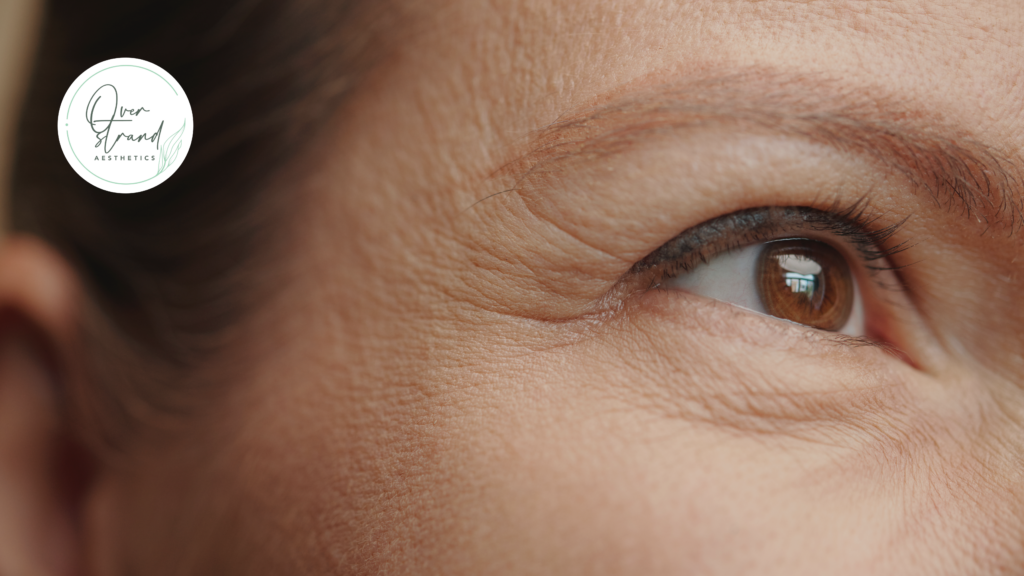
Noticing drier skin, fine lines that seem to appear overnight, or products that no longer work the way they used to? You’re not imagining it. Here’s why your skin changes after 40 and how you can support it through every stage of life.
There comes a point when your skincare routine simply doesn’t seem to work anymore. The cleanser you’ve used for years suddenly leaves your skin feeling tight. Your favourite moisturiser doesn’t feel as hydrating as it once did. You start noticing pigmentation that wasn’t there before, fine lines become more visible, and your skin seems to take longer to recover.
For many women, these changes begin during their forties.
While it can feel frustrating, it’s important to know that your skin isn’t “failing.” It’s simply changing, just like the rest of your body. Understanding what’s happening beneath the surface is the first step towards choosing the right skincare routine and treatments for healthy, resilient skin.
Why does your skin change after 40?
The biggest reason is that your skin naturally begins producing less collagen and elastin.
Collagen is the protein responsible for keeping skin firm and smooth, while elastin gives skin its ability to stretch and bounce back. From your mid-twenties, collagen production gradually declines by around one percent every year. By the time many women reach their forties, that gradual decline starts becoming much more noticeable.
At the same time, your skin’s natural oil production also slows down. This often leaves skin feeling drier, more sensitive and less able to hold onto moisture.
For many women, hormonal changes also begin playing a significant role.
As oestrogen levels start fluctuating during perimenopause and menopause, your skin may become thinner, lose elasticity more quickly, heal more slowly and develop increased sensitivity. You may even find that products you’ve used for years suddenly irritate your skin or simply don’t seem to work anymore.
These changes are completely normal, but they do mean your skincare routine needs to evolve.
Signs your skin may be changing
Everyone experiences ageing differently, but some of the most common changes include:
- Skin that feels drier throughout the day.
- Fine lines becoming more noticeable.
- Loss of firmness around the jawline and cheeks.
- Pigmentation or uneven skin tone.
- Skin that heals more slowly after blemishes or irritation.
- Increased sensitivity to products you’ve previously tolerated.
- A complexion that appears dull or tired.
Many people assume these changes happen overnight, but they usually develop gradually over several years.
Why your old skincare routine may no longer work
One of the biggest mistakes people make is continuing to use the same skincare products they’ve used for the last ten or twenty years. Your skin’s needs at 45 are very different from what they were at 25. Products that focused on controlling oil or treating acne may now be disrupting your skin barrier, while lightweight moisturisers may no longer provide enough hydration.
Rather than adding more products to your routine, it’s often more beneficial to reassess what your skin actually needs today. A personalised skincare routine is usually far more effective than following trends or copying someone else’s routine online.
Ingredients that become more important after 40
As your skin changes, certain ingredients become especially valuable.
Vitamin C helps protect the skin from environmental damage while supporting a brighter, more even complexion.
Retinoids encourage healthy skin renewal and can improve the appearance of fine lines over time.
Ceramides help strengthen the skin barrier and improve hydration, making them particularly beneficial for dry or sensitive skin.
Hyaluronic acid supports moisture retention, helping skin appear smoother and more supple.
Perhaps the most important product of all is sunscreen. Daily sun protection remains one of the most effective ways to reduce premature skin ageing and prevent pigmentation from becoming more noticeable.
Professional treatments that support healthy ageing
While home skincare forms the foundation of healthy skin, professional treatments can help address concerns that products alone cannot.
Microneedling is one of the most effective treatments for stimulating collagen production and improving skin texture. Over time, it can help soften fine lines, improve acne scarring and create smoother, healthier-looking skin.
Clinical facial treatments can also be tailored to address concerns such as dehydration, pigmentation or loss of radiance.
For clients looking to support both skin health and overall wellbeing, MedWave Red Light Therapy offers a gentle, non-invasive treatment that works at a cellular level. It supports your body’s natural repair processes and may help reduce inflammation while encouraging healthier-looking skin over time.
The most effective treatment plan will always depend on your individual skin concerns, lifestyle and goals. Healthy skin starts with everyday habits. Professional treatments are only one part of the picture. Small, consistent habits often have the greatest long-term impact on your skin.
Protecting your skin from the sun every day, staying hydrated, getting enough sleep, eating a balanced diet and managing stress all contribute to healthier skin.
It’s also important to avoid overcomplicating your routine. More products don’t necessarily mean better results. Often, a simple routine using the right products consistently is far more effective than a shelf full of products that don’t suit your skin.
When should you book a skin consultation?
If you’ve noticed your skin changing but you’re unsure where to start, a professional skin consultation can save you time, money and frustration.
Instead of guessing which products or treatments might work, you’ll receive personalised advice based on your skin’s condition, concerns and goals.
At Overstrand Aesthetics, every consultation begins with understanding your skin before recommending products or treatments. Whether you’re concerned about dryness, pigmentation, fine lines, sensitivity or loss of firmness, the goal is to create a treatment plan that’s realistic, effective and designed specifically for you.
Healthy skin is a journey, not a quick fix
Ageing is a natural part of life, and healthy skin isn’t about trying to look twenty forever. It’s about understanding how your skin changes over time and giving it the care and support it needs at every stage.
With the right skincare routine, professional guidance and consistent care, it’s possible to maintain healthy, confident skin well beyond your forties.
If you’re ready to better understand your skin and build a routine that truly works, the team at Overstrand Aesthetics in Hermanus is here to help.
